

Why Root Canals Are Not as Painful as You Think
-
 fullsmileendo
-
 02/06/2026
-
 Uncategorized
Few dental procedures have a worse reputation than a root canal. Many people associate root canals with severe pain, long appointments, and uncomfortable recovery.
The truth is, modern root canals are one of the most pain-relieving dental treatments available.
At Full Smile Orthodontics, we regularly treat patients who are surprised by how easy and comfortable the procedure actually is.
This guide explains what root canals really feel like, why the myths persist, and what you can expect.
Why Do Root Canals Have Such a Bad Reputation?
Root canals became infamous decades ago when:
- Dental technology was limited
- Anesthesia was less effective
- Procedures took much longer
- Pain management was poor
Today, dentistry has completely changed — but the old reputation stuck.
What a Root Canal Actually Does
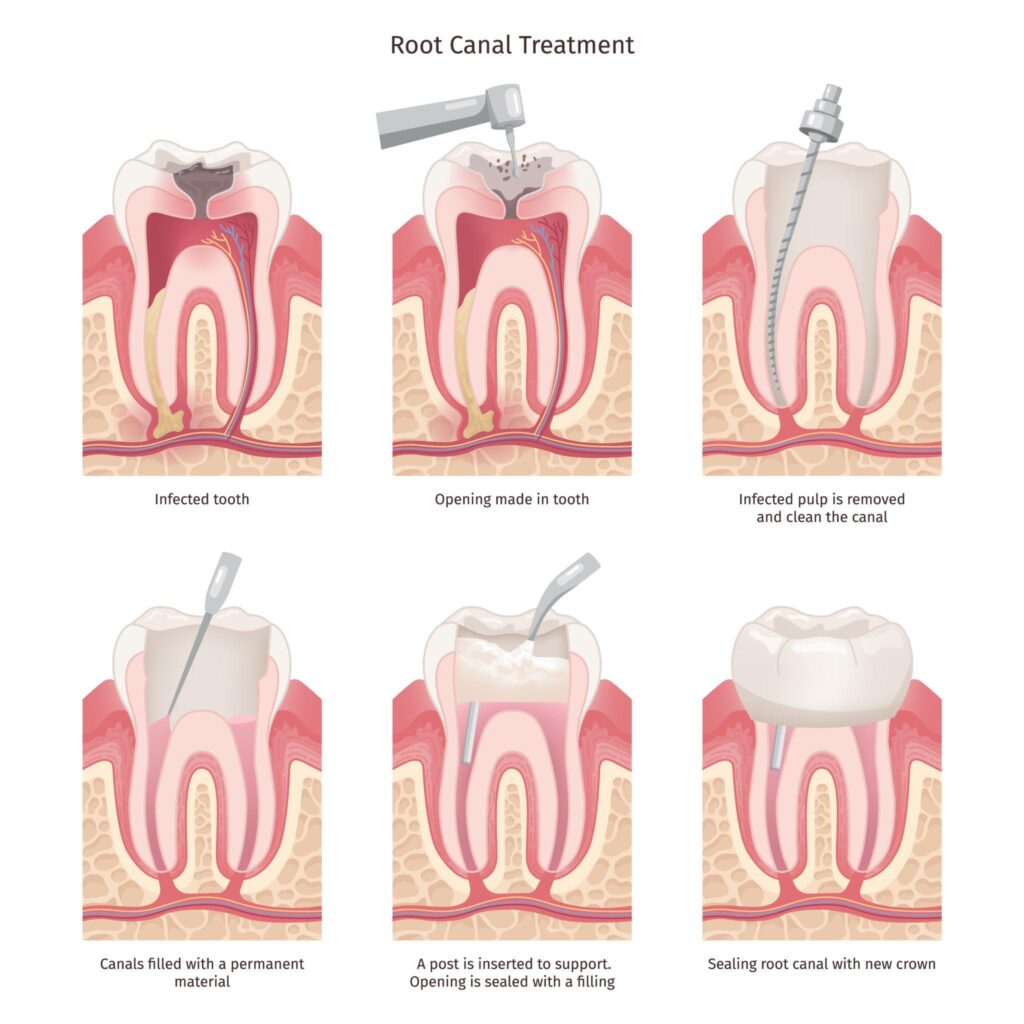
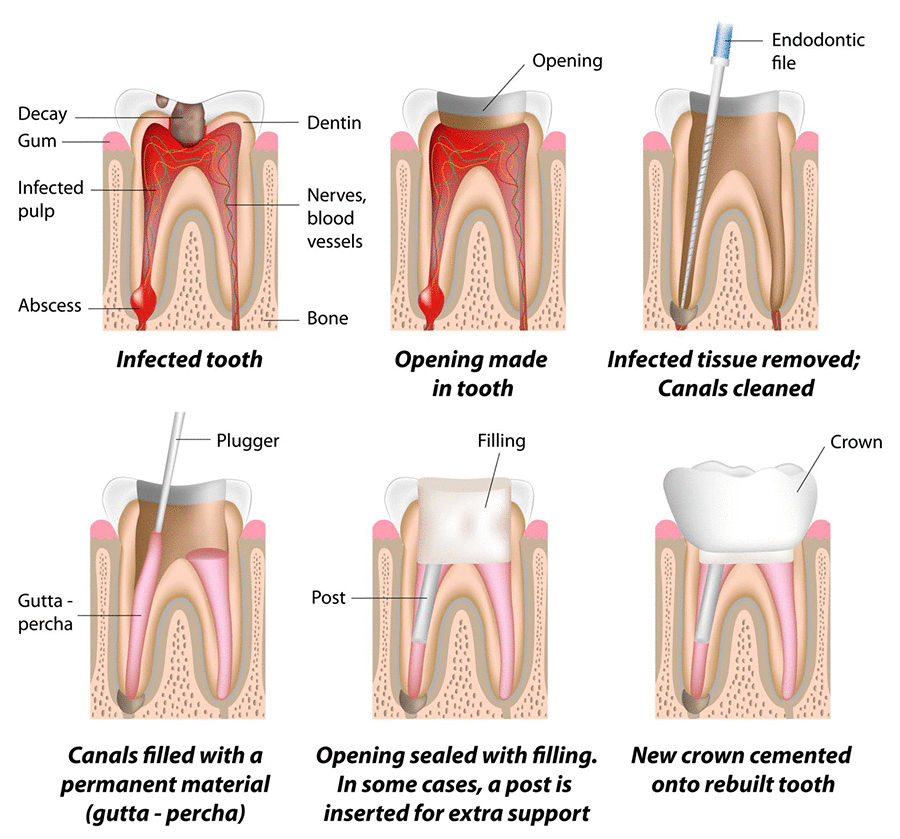
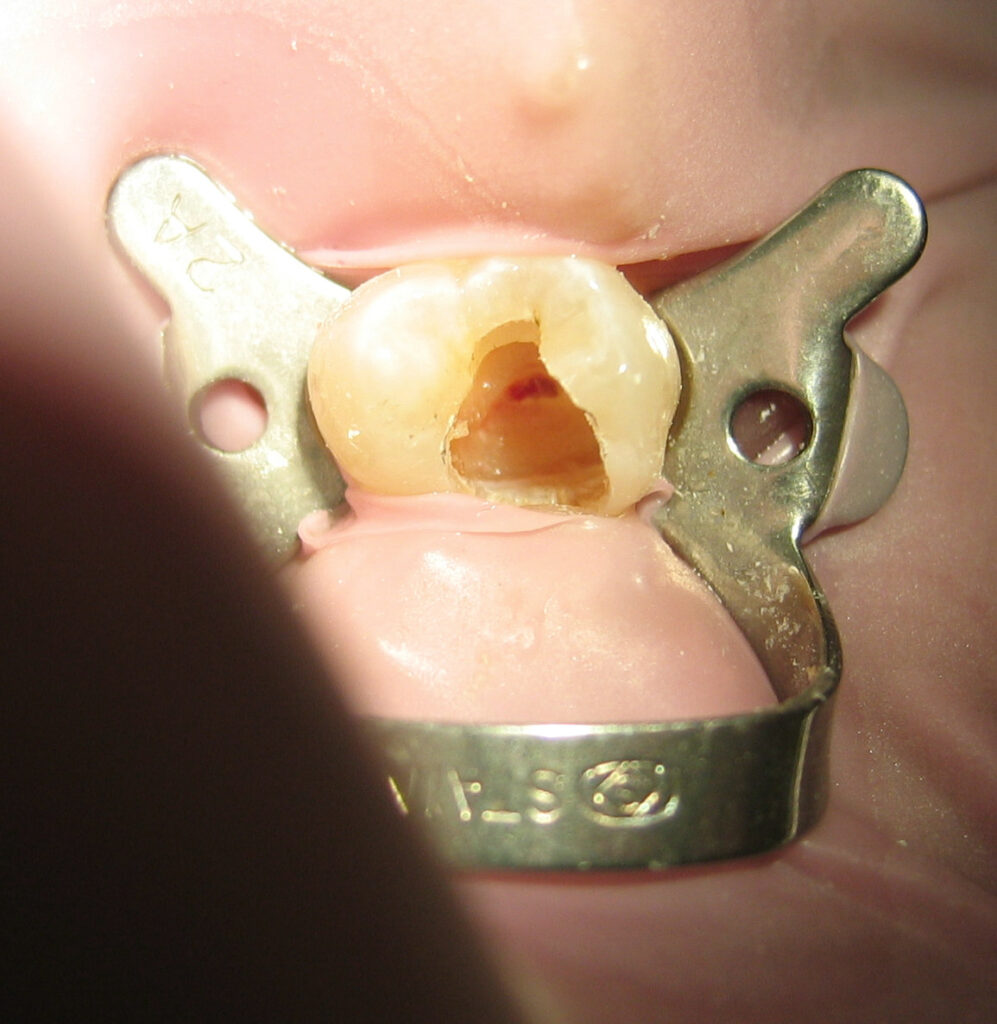
A root canal is designed to eliminate pain, not cause it.
It treats:
- Infected tooth pulp
- Deep decay
- Dental abscess
- Trauma to the tooth
The dentist removes the inflamed nerve tissue, cleans the inside of the tooth, and seals it — stopping the pain source entirely.
What Does a Root Canal Feel Like?
Most patients describe a modern root canal as:
- No more uncomfortable than a filling
- Completely numb
- Pressure but no pain
- Immediate relief afterward
In many cases, patients feel better walking out than when they walked in.
Why Root Canals Are Actually Less Painful Than Tooth Extractions
| Root Canal | Tooth Extraction |
| Preserves your tooth | Removes the tooth |
| Minimal recovery | More soreness |
| No bleeding socket | Open wound |
| Faster healing | Longer downtime |
| Keeps natural bite | May require implant |
Root canals save your natural tooth and avoid more invasive procedures.
How Modern Dentistry Makes Root Canals Comfortable
Today’s root canals use:
- Advanced local anesthesia
- Digital imaging
- Precision instruments
- Faster techniques
- Gentle irrigation systems
This means:
- Shorter appointments
- Less swelling
- Less discomfort
- Better long-term outcomes
Signs You May Need a Root Canal
You may need treatment if you have:
- Persistent tooth pain
- Sensitivity to hot or cold
- Swollen gums
- Darkened tooth
- Pain when biting
- Abscess or pus
Early treatment prevents severe infection and complications.
What About After the Procedure?
Recovery is usually simple:
- Mild soreness for 1–2 days
- Normal eating within 24 hours
- Pain controlled with OTC medication
- Crown placed for protection
Most patients return to work the same day or next day.
Why Patients Fear Root Canals (But Shouldn’t)
The pain comes from the infection itself, not the procedure.
Root canals:
- Remove the pain source
- Stop infection
- Save the tooth
- Prevent spread to other teeth
Avoiding treatment actually leads to more pain, more damage, and more cost.
Why Choose Full Smile Orthodontics?
At Full Smile Orthodontics, we provide:
- Gentle, patient-first care
- Modern pain control techniques
- Clear explanations before treatment
- Comfortable office environment
- Focus on long-term dental health
We specialize in making anxious patients feel safe and informed.
Final Takeaway
Root canals are not the painful procedures they used to be. In fact, they are one of the most effective ways to relieve dental pain and save your natural tooth.
If you’re experiencing tooth pain or have been told you need a root canal, the best next step is an evaluation at Full Smile Orthodontics — where modern dentistry makes the process comfortable, quick, and stress-free.