

Written by the team at Full Smile Endodontics | Amarillo, TX
If your dentist or endodontist has recommended an apicoectomy, you probably have questions. It is not a procedure most people have heard of before they are told they need one, and the name alone can sound more intimidating than the procedure actually is.
The good news is that an apicoectomy is a routine, well-established minor surgical procedure that endodontists perform regularly — and for patients who need it, it can mean the difference between saving a tooth and losing it. This guide explains everything you need to know in clear, straightforward language: what an apicoectomy is, why it is sometimes necessary, how the procedure works step by step, what recovery involves, and what questions to ask before your appointment.
What Is an Apicoectomy?
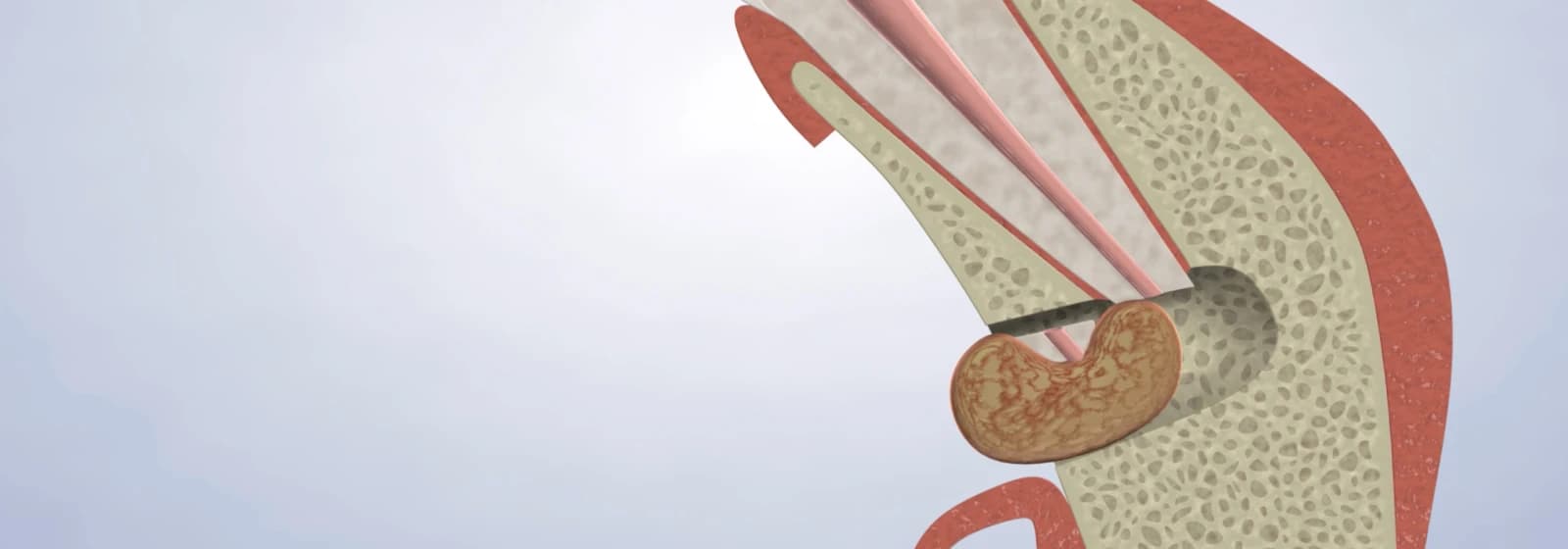
An apicoectomy — also called root end surgery or endodontic microsurgery — is a minor surgical procedure in which the tip of a tooth’s root, called the apex, is removed along with any infected tissue surrounding it. A small filling is then placed to seal the end of the root and prevent further infection.
To understand why this procedure exists, it helps to understand what a root canal does and why it sometimes is not enough on its own.
When a tooth becomes infected at its pulp — the soft tissue inside containing nerves and blood vessels — a root canal is performed to remove that infected tissue, clean the interior canals of
the root, and seal the tooth from the inside. For the vast majority of patients, a root canal resolves the problem completely and the tooth goes on to function normally for many years.
However, in some cases, infection persists or returns even after a root canal has been performed. This can happen for a number of reasons. The root canal system of a tooth is extraordinarily complex — some roots have tiny branching canals that are impossible to fully clean even with modern instrumentation. Bacteria can survive in these areas and continue to cause infection at the very tip of the root, where the root meets the surrounding bone. In these situations, approaching the problem from the inside of the tooth a second time may not be sufficient — and that is where an apicoectomy becomes necessary.
By accessing the root tip directly through the gum tissue and removing both the tip of the root and the infected tissue surrounding it, the endodontist can eliminate the source of infection and seal the area in a way that a conventional root canal cannot reach. The result, in the great majority of cases, is a tooth that heals fully and continues to function normally.
When Is an Apicoectomy Necessary?
An apicoectomy is typically recommended when a tooth has already had a root canal — or in some cases multiple root canals — and infection persists or recurs at the root tip. It is not a first-line treatment but rather a targeted solution for specific situations where conventional approaches have not fully resolved the problem.
Common reasons an apicoectomy may be recommended include the following.
Persistent Infection After Root Canal Treatment If a tooth continues to show signs of infection — pain, swelling, tenderness, or a visible lesion on imaging — after root canal treatment, it means bacteria are still present at or near the root tip. An apicoectomy allows the endodontist to directly address this area.
Calcified or Blocked Canals Over time, some root canals become calcified — meaning they fill with mineral deposits that make them too narrow to instrument properly. If retreating the root canal from the crown of the tooth is not possible due to blockage, an apicoectomy provides an alternative route to seal the root tip.
Complex Root Anatomy Some teeth have unusual root anatomy — extra canals, curved roots, or branching root systems — that make complete cleaning and sealing from the top of the tooth extremely difficult. An apicoectomy allows the endodontist to address the problem at the source.
Failed Root Canal Retreatment If a tooth has already been retreated once and infection has returned again, an apicoectomy is often the next appropriate step before considering extraction.
Existing Crown or Post In some cases, a tooth has an existing crown or post-and-core restoration that would be very costly or risky to remove in order to retreat the root canal from the top. An apicoectomy allows the infection to be addressed without disturbing the existing crown.
Cyst or Lesion at the Root Tip Occasionally a cyst or other lesion develops at the end of a tooth’s root. An apicoectomy allows the endodontist to remove the lesion, send it for biopsy if needed, and seal the root end in the same procedure.
It is worth emphasizing that an apicoectomy is always aimed at saving a tooth that would otherwise need to be extracted. If there is any way to keep a natural tooth, that is always the preferred outcome.
What Are the Alternatives to an Apicoectomy?
In most cases where an apicoectomy is recommended, the realistic alternatives are root canal retreatment or tooth extraction. Your endodontist will discuss all options with you based on the specific condition of your tooth.
Root canal retreatment involves reopening the tooth, removing the previous filling material, re-cleaning the canals, and resealing them. This is often the first step before considering surgery. However, if retreatment has already been attempted or is not feasible due to the anatomy of the tooth or existing restorations, an apicoectomy is the next option.
Tooth extraction and replacement with a dental implant, bridge, or partial denture is always an option, but most patients and endodontists strongly prefer to save the natural tooth when possible. Natural teeth perform better than any replacement in terms of function, feel, and long-term oral health. An apicoectomy, when indicated, gives the tooth its best remaining chance.
What to Expect During an Apicoectomy: Step by Step
One of the most common things patients tell us before an apicoectomy is that they are nervous because they do not know what to expect. Understanding the procedure step by step tends to ease that anxiety considerably — because what actually happens is far less dramatic than many people anticipate.
An apicoectomy is performed right here in our Amarillo endodontic office. It does not require general anesthesia or a hospital setting. The procedure typically takes between 30 and 90 minutes depending on the tooth involved and the complexity of the case.
Step 1: Local Anesthesia The area around the tooth is thoroughly numbed with local anesthesia. We take the time to make sure you are completely comfortable before proceeding. Most patients are surprised by how little they feel during the procedure itself.
Step 2: Accessing the Root Tip A small incision is made in the gum tissue near the affected tooth. The gum is gently folded back to expose the bone and the tip of the root underneath. In most cases only a small amount of bone needs to be removed to access the root apex — often there is already a small void in the bone caused by the infection itself.
Step 3: Removing the Root Tip and Infected Tissue The tip of the root — typically just the last two to three millimeters — is removed using a small surgical instrument. Any infected tissue surrounding the root tip is also carefully removed. If a cyst or lesion is present, it is removed at this stage and may be sent to a pathology lab for analysis.
Step 4: Preparing and Sealing the Root End A small preparation is made in the end of the remaining root using ultrasonic instruments under high magnification. This preparation creates a clean, precise space to receive the root end filling. A small amount of biocompatible filling material — most commonly a material called MTA, or mineral trioxide aggregate — is placed to seal the end of the root. This material has excellent sealing properties and promotes healing of the surrounding bone.
Step 5: Suturing The gum tissue is folded back into place and secured with small sutures. In most cases the sutures are removed at a follow-up appointment approximately one week later.
Step 6: Imaging and Post-Procedure Instructions A final X-ray is taken to confirm the position of the root end filling. We review post-procedure care instructions with you before you leave and schedule your follow-up appointment.
The Role of Microsurgery and Magnification
Modern apicoectomy is performed using surgical microscopes or high-powered loupes that magnify the surgical field significantly — often ten times or more. This level of magnification allows the endodontist to see details of the root tip and surrounding tissue that would be completely invisible to the naked eye, resulting in greater precision, more complete removal of infected tissue, and better placement of the root end filling.
Ultrasonic instruments, which vibrate at high frequency to prepare the root end, have also transformed the procedure. They allow for preparation of the root end along its exact axis — something that was not possible with older hand instruments — resulting in a better seal and improved outcomes.
At Full Smile Endodontics, we use state-of-the-art microsurgical techniques and equipment to give every patient the best possible chance of a successful outcome. The skill and technology available in a dedicated endodontic practice make a meaningful difference in the long-term success of the procedure.
Recovery After an Apicoectomy: What to Expect
Recovery from an apicoectomy is typically mild and manageable for most patients. Here is what you can generally expect in the days following the procedure.
The First 24 to 48 Hours Some swelling and bruising around the treated area is completely normal and expected. Swelling often peaks around 48 to 72 hours after the procedure before gradually subsiding. Applying a cold compress to the outside of the face in the first 24 hours — 20 minutes on, 20 minutes off — helps minimize swelling.
Discomfort during this period is typically mild to moderate and is well managed with over-the-counter pain relievers such as ibuprofen or acetaminophen. We will give you specific recommendations at your appointment. Most patients find that the discomfort is less significant than they anticipated.
Eating and Drinking Stick to soft foods for the first few days while the area heals. Avoid anything hard, crunchy, or chewy near the surgical site. Cold foods and drinks can be soothing in the first 24 hours. Avoid hot beverages and alcohol during the early healing phase.
Oral Hygiene Continue brushing your other teeth normally, but be gentle around the surgical site. Avoid rinsing forcefully for the first day. We may recommend a gentle antibacterial rinse after the first 24 hours — we will give you specific instructions at your appointment.
Activity Avoid strenuous physical activity for the first two to three days after the procedure. Increased heart rate and blood pressure can increase bleeding and swelling at the surgical site.
Suture Removal You will return to our office approximately one week after the procedure to have the sutures removed. This appointment is quick and comfortable.
Healing Timeline The gum tissue typically heals within a few weeks. Bone healing at the site takes longer — often several months — and is monitored with X-rays at follow-up appointments. Full bone healing is a positive sign that the procedure was successful and the infection has resolved.
When to Call Us Contact our office if you experience severe pain that is not controlled by pain medication, significant swelling that is getting worse after the first three days rather than better, fever, or any other symptoms that concern you. We are always available to answer your questions.
What Is the Success Rate of an Apicoectomy?
Apicoectomy has a strong track record when performed by a skilled endodontist using modern microsurgical techniques. Research consistently reports success rates in the range of 85 to 97 percent for appropriately selected cases — meaning the vast majority of patients who undergo the procedure experience full resolution of their infection and retain their tooth long-term.
Success is influenced by several factors, including the experience and skill of the endodontist, the quality of the existing crown restoration on the tooth, the anatomy of the root, and the patient’s overall health and healing capacity. During your consultation at Full Smile Endodontics, we evaluate all of these factors and give you an honest assessment of what to expect for your specific situation.
What Patients in Amarillo Are Saying
“I was referred to Full Smile Endodontics after a failed root canal and honestly I was dreading the whole thing. The team explained every step before they did it and I barely felt anything during the procedure. Recovery was easier than I expected too. My tooth is completely fine now and I am so glad I did not just have it pulled.” — Patient, Amarillo, TX
“Dr. [Name] was incredibly thorough in explaining why I needed an apicoectomy and what the alternatives were. I never felt pressured and I appreciated that they gave me the full picture. The procedure itself was quick and the follow-up care was excellent.” — Patient, Amarillo, TX
“I had put off dealing with this tooth for way too long because I was scared. I wish I had come in sooner. The apicoectomy was nothing like what I had imagined and my tooth has been completely comfortable since.” — Patient, Texas Panhandle
Frequently Asked Questions About Apicoectomy
Is an apicoectomy painful?
The procedure itself is performed under local anesthesia and most patients feel little to no pain during the appointment. Post-procedure discomfort is typically mild to moderate and is well managed with over-the-counter pain relievers. Most patients are pleasantly surprised by how manageable the recovery is compared to what they expected.
How long does an apicoectomy take?
Most apicoectomy procedures take between 30 and 90 minutes from start to finish. The exact duration depends on the tooth being treated, the complexity of the root anatomy, and the extent of the infection or lesion being addressed. Your endodontist will give you a more specific estimate after reviewing your imaging.
How long does it take to recover from an apicoectomy?
Most patients feel back to normal within a few days to a week. Swelling and mild discomfort typically resolve within the first three to five days. The sutures are removed about a week after the procedure. Bone healing at the surgical site takes longer — several months — but this happens gradually and silently in the background without affecting your daily life.
Will I need time off work after an apicoectomy?
Many patients return to work the following day, particularly those in office-based or non-physical roles. If your job involves heavy physical labor or if you tend to experience more significant swelling after dental procedures, taking an additional day or two off may be wise. We will give you personalized guidance based on your specific situation.
Is an apicoectomy covered by insurance?
Many dental insurance plans provide coverage for apicoectomy as an endodontic procedure, though the extent of coverage varies by plan. Some medical insurance plans may also contribute if there is a documented medical necessity. Our team will help you understand your coverage before treatment begins and work with you to make the most of your available benefits.
What happens if I do not get an apicoectomy when it is recommended?
If an apicoectomy is recommended and left untreated, the infection at the root tip will typically continue to progress. This can lead to increasing pain and swelling, spread of infection to surrounding bone and tissue, and ultimately the loss of the tooth. In some cases, untreated dental infections can spread beyond the immediate area and become a more serious medical concern. Prompt treatment is always advisable.
Can any dentist perform an apicoectomy?
An apicoectomy is a specialized endodontic surgical procedure that is most appropriately performed by a board-certified or board-eligible endodontist — a dentist who has completed two to three additional years of postgraduate training specifically in root canal treatment and endodontic surgery. At Full Smile Endodontics, our team has the advanced training, surgical microscopes, and specialized instrumentation to perform apicoectomies to the highest standard of care.
Will I need a new crown after an apicoectomy?
In most cases, no. An apicoectomy is performed through the gum tissue and does not disturb the crown of the tooth. If your tooth already has a well-fitting crown in good condition, it can typically remain in place. If the existing crown is old, damaged, or ill-fitting, your general dentist may recommend replacing it as part of a comprehensive plan to ensure the tooth is fully restored and protected going forward.
How will I know if my apicoectomy was successful?
Success is assessed over time through a combination of clinical symptoms and imaging. A successful apicoectomy typically means the resolution of any pain or swelling, no recurrence of infection, and evidence on X-rays of bone healing at the site where the lesion or infected tissue was removed. We monitor healing at follow-up appointments and will keep you informed of your progress at each visit.
What is MTA and why is it used to seal the root end?
MTA stands for mineral trioxide aggregate. It is a biocompatible dental material that is widely used as a root end filling because of its excellent sealing ability, its resistance to moisture, and its documented capacity to promote healing and regeneration of the surrounding bone and tissue. It has become the material of choice for root end filling in modern endodontic microsurgery due to its superior performance compared to older materials.